

Breaking Gender Colour Stereotypes: Empowering Your Child Through Colourful Self-Expression

Colour is one of the first ways children explore the world around them. Yet, from a very young age, many kids encounter a rigid message: pink is for girls, blue is for boys. These outdated ideas limit creativity and self-expression. It’s time to challenge these stereotypes and open up a world where every child feels free to express themselves through all colours and designs.
This post explores why breaking gender colour stereotypes matters, how parents can support their children’s freedom to choose, and practical steps to encourage inclusivity in clothing and beyond.
Why Gender Colour Stereotypes Need to Change
For decades, society has linked colours to gender roles: pink for girls and blue for boys. This association is relatively recent, dating back to the early 20th century, and it varies across cultures. The common story goes... in the early 20th-century, retailers actually assigned pink as a boys colour and blue for girls. Pink was seen as a stronger, more decisive colour with it's links to red, which was associated with masculinity, power and passion.

But in the 1940's, a surprising reversal occured... a shift to pink for girls happened gradually through consumer choice and market influence. Firstly, fashion designers started using pink in womenswear and this filtered down into children's clothing. Next came increased prosperity following the end of World War II allowing families to buy specific wardrobes for their children, which advertisers and retailers soon realised by establising strict, gender-specific colour codes. These were then later popularised by celebrity influence throughout the 1950s, most notably when First Lady Mamie Eisenhower adorned an all pink inaugural gown in 1953 alongside decorating portions of The Whitehouse pink!
With time, these stereotypes have become deeply ingrained, influencing everything from children's clothing to toys and even celebrations like gender reveal parties.
However, these colour rules can:
Limit children’s creativity and self-expression.
Reinforce narrow ideas about what boys and girls “should” like or be interested in.
Create unnecessary pressure to conform to expectations.
Exclude children who don’t identify with traditional gender roles.
By breaking these stereotypes, we allow children to explore their preferences freely, build confidence, and develop a stronger sense of identity - who's with me!!!
Encouraging Self-Expression Through Colour and Design
Children’s clothing is a powerful way to support self-expression. When kids can choose colours and styles that resonate with them, they learn to trust their instincts and feel valued for who they are.
Here are a few practical ways you can encourage this:
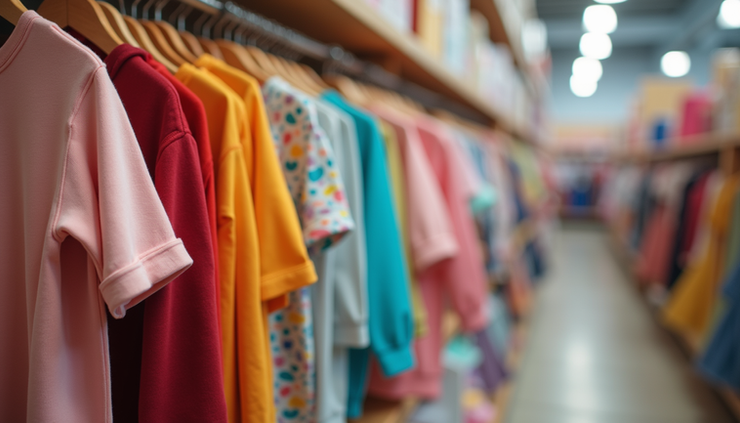
Offer a wide range of colours and patterns: Include bright yellows, greens, purples, and more alongside traditional pinks and blues. This is difficult (I know from experience) when the high-street is still so heavily influenced by outdated gender stereotypes - you just have to know where to look!
Mix and match styles: Let children combine different pieces without worrying about “matching” gendered colours. Again, this is a tricky one - as a millennial myself, trying to break free of everything I was taught as a girl growing up is HARD! You have to tell that part of your brain to be quiet!!!
Celebrate individuality: Praise children when they pick something unique or unexpected. Keep an open mind and don't let your preferences influence how you speak to your child about their choices.
My small business creates handmade children’s clothes designed with this philosophy in mind. Each piece embraces colour and design without gender labels, helping kids express themselves freely. I don't have "boy" and "girl" sections, simply children's clothes and you're free to order whatever your child wants without questions or judgement! You can explore my collection here.

But I'm not the only one... there's hundreds of UK based small businesses doing the exact same thing - creating handmade children's clothes and accessories from fabrics full of colour in patterns and designs for all children. And do you want to know the best part??? We're all parents ourselves and have experienced first hand the many challenges of clothes shopping for our children. Whether that be the over-sexualisation of our girls through crop tops, tiny shorts and bikinis to the way our boys are told be aggressive, dominate leaders through masculine imagery and slogans. We are the change - we may be small, but we are mighty!
Moving Away from Traditional Gender Reveal Events
Gender reveal parties often reinforce the pink/blue divide by announcing a baby’s sex with coloured decorations or cakes. While these events are meant to be a fun way to celebrate the arrival of a new baby, they can unintentionally strengthen stereotypes and exclude families who prefer a more open approach to gender.

You might want to consider alternatives such as:
Celebrating the baby’s arrival without focusing on the gender.
Using a variety of colours to eliminate any suggestion of traditional stereotypes.
Focusing on themes that highlight family, love, and new beginnings instead of gender.
These choices create a more inclusive environment that respects diversity and individuality.
Practical Tips for Parents to Break Colour Stereotypes
Parents play a crucial role in shaping children’s attitudes toward colour and gender, so here are some actionable steps to help support your child’s freedom of choice:
Let children pick clothes from both “girl” and “boy” sections
Avoid restricting choices based on gendered labels. Allow your children to explore all options and find what they enjoy. When shopping, let them wander through both the "boy" and "girl" sections to find clothes they like. This is tricky when they can read the signs and labels, but just reassure them that this doesn't matter. I remember my son when he was little constantly asking me "is this for girls" when he saw something pink or purple or fluffy. I would always reply with a simple "nope"!
Support small businesses offering gender-neutral and traditional options
Having choices matters. Supporting brands that provide unisex clothing alongside classic styles helps normalise diversity in children’s wardrobes. I want to make it really clear that there is no problem with a child expressing themselves in a more traditional, stereotypical way... if your little girl loves pink, sparkles and unicorns, that's ok! My point here is that it's all about choice! Having the choice to express yourself however you want without question or judgement. It's not about eradicating those colours, themes and styles... it's about removing the labels and giving freedom of choice!
Create a colourful, inclusive wardrobe at home
Mix colours and patterns freely. Encourage your child to experiment with different looks. From birth, dress them in everything - let them grow up seeing that it's all an option! Then they'll have fun deciding what they love and who they really are as they develop their own sense of self.
Share books that promote inclusivity and self-expression
Reading stories with diverse characters and themes helps children understand and appreciate individuality. Here are some recommended titles:
- "Red: A Crayon’s Story" by Michael Hall
- "Julian Is a Mermaid" by Jessica Love
- "Pink Is for Boys" by Robb Pearlman
- "The Day You Begin" by Jacqueline Woodson
- "Not All Princesses Dress in Pink" by Jane Yolen and Heidi E. Y. Stemple

Why Choice Matters More Than Labels
As I've already mentioned, the goal is not to eliminate all traditional colours or styles but to remove the pressure that colours must belong to certain genders. When children have the freedom to choose, they develop confidence and a stronger sense of self.
Offering a variety of options—whether gender-neutral, stereotypical, or somewhere in between—lets children explore and express their unique personalities. This approach respects their individuality and supports their emotional well-being. Surely this is what we all want!


Comments